Welcome to Bronxville
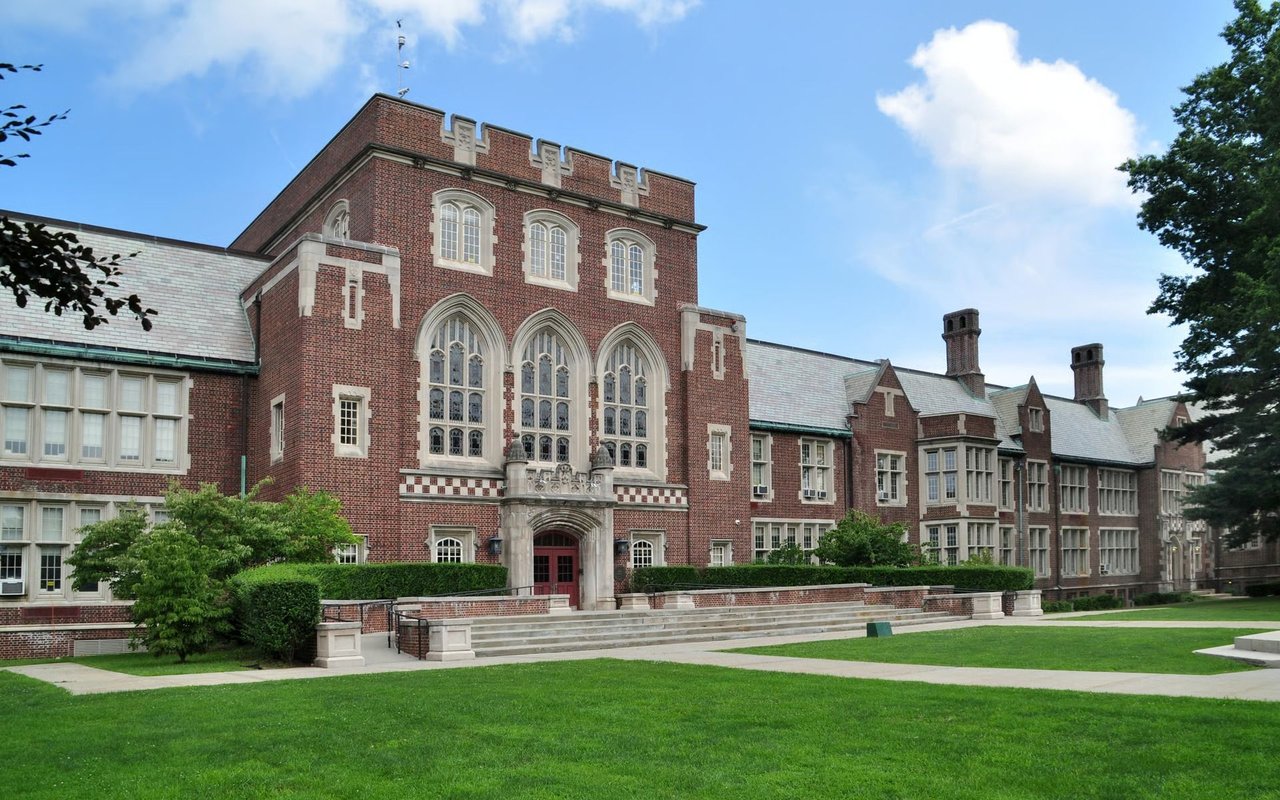
The charming, English-style village of Bronxville is nestled along the Bronx River in southern Westchester County. Located in the Town of Eastchester, Bronxville’s postal address encompasses small parts of neighboring areas. With lush green yards and towering trees, its close-knit neighborhoods have been the hallmark of Bronxville’s history. They are lined with graceful and distinctive turn-of-the-century homes, including Tudors, Colonials, and Victorian styles, along with townhouses and apartments.
Most are within close proximity to the business district and the railroad station. A charming and lively downtown, with old-fashioned lamp posts, is balanced between the railroad station at one end and the Four Corners, a cluster of civic buildings, at the other. It offers an eclectic array of fashionable boutiques, specialty food shops, art galleries, antique shops, diverse restaurants, a triplex movie theater, and professional offices, all within a few blocks.
History
Originally known as an “Artist’s Colony” in the early 1900’s, the village gained a reputation for its romantic design and “celebrity residents,” especially in Lawrence Park, a district on the hill above the business district. Listed on the National Register of Historic Places, it is recognized for its narrow, meandering stone streets and unusually shaped buildings.
The Siwanoy Nation deeded the region to British colonists in 1654 (siwanoynation. org), however, the earliest settlement of Bronxville began in the 18th century, with residents who farmed and built factories. It was in 1890, when a wealthy pharmaceutical manufacturer, William Van Duzer Lawrence, set about creating an exclusive colony for artists, that the history of the modern suburb actually began.
After purchasing an 86-acre farm, he commissioned William A. Bates to build a community of well-designed homes. Turning cow paths into curved, yellow-brick streets, while retaining giant elms, wildflowers, and huge granite outcroppings, the two produced gabled Victorians and shingled cottages with verandas and porches overlooking the winding streets.
Now called Lawrence Park, it set the stage for what would become a vibrant, well-planned residential community. With many prominent painters, writers, and architects in residence, subsequent buildings in Bronxville were just as lovely. Almost fully developed by the early 20th century, Bronxville benefited from a sustained standard of architectural design and quality. Noted architects include Charles Lewis Bowman, Penrose Stout, and Harry Leslie Walker. Lawrence Hospital, the first Village Hall, much of the downtown area, and nearby Sarah Lawrence College also owe their existence to William Van Duzer Lawrence.
Transportation
New York City: 15 miles
White Plains: 9 miles
Kennedy Airport: 24 miles
LaGuardia Airport: 17 miles
Newark Airport: 30 miles
Westchester County Airport: 17 miles
Via Metro-North trains from the Bronxville station, the commuting time to Grand Central Terminal in New York City averages 28 minutes during peak rush hour periods.
There is bus service via Bee-Line, taxi service, and Para-transit. The village is easily accessible to the Bronx River and Hutchinson River Parkways.
Recreation
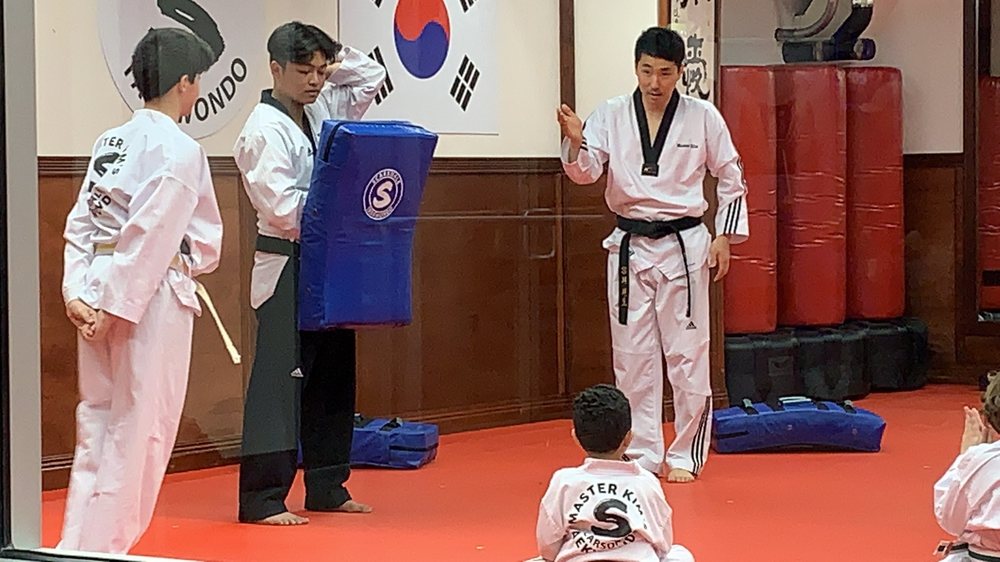
In addition to programs and activities offered by the Town of Eastchester, Bronxville offers recreational options for residents of all ages that include court sports, child development programs, hobbies and gymnastics, along with community events, rental facilities for gatherings, and many public areas for active play.
A Bronxville-sponsored day camp is also available during the summer. Special community events include parades and celebrations for Memorial Day and other national holidays, sidewalk sales, and festivals with live bands. Every Saturday from June through mid-November and select dates throughout the winter are Farmers’ Markets with organic produce, jams, fruits, vegetables, flowers, herbs, and specialty items.
Every Sunday from April to October, a seven-mile stretch of the Bronx River Parkway, from Bronxville to White Plains, is closed to automobile traffic for “Bicycle Sundays.” The village has over 70 acres of parkland, including athletic fields, woodlands, and a small part of the Bronx River Parkway Reservation, Westchester’s oldest park, with ponds, footbridges, and hundreds of varieties of trees.
Bicentennial Park, on Meadow Avenue and Pondfield Road, has been landscaped as an outdoor garden and is equipped with benches and paved areas. Bronxville’s School Field, an eight-acre area owned by the Bronxville Public School, is equipped with a football field, three smaller fields, a running track, and a “little tots” playground.
Dogwood Park, a complex utilized by the schools, includes five tennis courts, a tennis building, a children’s play area, and a sitting area. Maltby Park is a play area covering 2.6 acres. It is a popular spot for paddle tennis. Additional recreational areas include Sagamore Park and Leonard Morange Square.
Sarah Lawrence College is in the immediate area, along with several private clubs, including Siwanoy Country Club, where the first PGA championship was held, and the Bronxville Field Club. Bronxville residents may utilize the expansive Lake Isle Country Club, in nearby Eastchester, with golf, outdoor swimming pools, and tennis courts.
Nature & Conservation
The Bronxville Beautification Council works to enhance and maintain the natural and man-made beauty of the village with the planting of trees and flowers and a yearly “Beautify Bronxville Week.” The Bronxville Historical Conservancy “records and preserves Bronxville’s history and life in the village.”
Bronxville supports a New York State Advocacy program for legislation that would create a comprehensive energy program to address efficiency, conservation, renewable energy, and green building. The village has strived to make similar commitments at the local level.
Bronxville residents are dedicated to maintaining open space and recreational parks. Bacon Woodlands, located on Kensington Road, is a natural rock outcropping that has been left in its natural state, the flatter portion of which is used as an informal play area.
Articles