Thinking about trading your city apartment for a one‑square‑mile village where you can walk to coffee, the train, and the library? If you’re curious about Bronxville’s rhythm, you’re not alone. Many buyers look here for a small‑town feel, short commute, and a charming downtown you actually use. In this guide, you’ll see what day‑to‑day life looks like, how you’ll get around, the housing mix, and the practical details to weigh as you plan a move. Let’s dive in.
Bronxville at a glance
Bronxville is a compact village of roughly one square mile with a population around 6,500 and a high rate of owner‑occupied homes. These QuickFacts signals point to a stable, long‑tenured community with a close‑knit feel. You can review the latest population, housing, and income figures on the U.S. Census Bureau’s Bronxville QuickFacts page for context on local demographics and housing values: Census QuickFacts for Bronxville.
Walkability is a real strength. The area around Pondfield Road and Palmer Avenue earns a high Walk Score, meaning most daily errands are doable on foot and you can live a “park the car and stroll” lifestyle near the station and shops. See the rating here: Bronxville Walk Score overview.
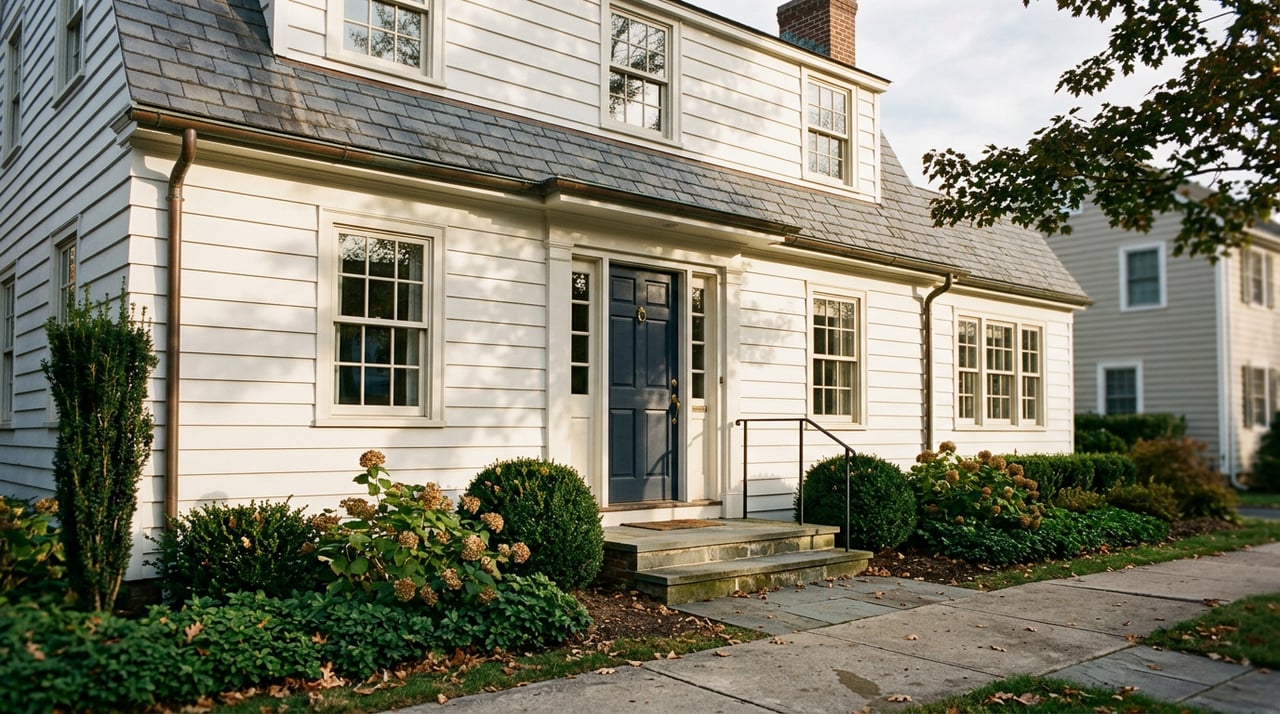
Architecture adds to the village character. You’ll notice Tudor Revival, Colonial Revival, Shingle, and Arts & Crafts homes on tree‑lined streets, with co‑ops and small apartment buildings clustered near the train. Lawrence Park, a historic district with notable early 20th‑century homes, anchors much of the visual charm. For historical context, explore the Lawrence Park National Register entry.
Downtown life: shops, bites, and routines
Bronxville’s commercial heart runs along Pondfield Road and Palmer Avenue. You’ll find cafés, bakeries, small boutiques, pharmacies, banks, and the Picture House, a historic local movie theater and film center. The village leans into simple, repeatable routines: morning coffee, a stop at the pharmacy, and dinner in town are all easy on foot.
The village also hosts seasonal events and civic activities that make the small footprint feel lively. To get a sense of downtown energy and local attractions, browse the Visit Westchester community page for Bronxville.
If you enjoy a good weekend market, the Bronxville Farmers Market is a neighborhood staple in season. And the Bronxville Public Library is a civic anchor with programs, meeting spaces, and resources that many residents use regularly.
Parks and outdoor time
For fresh air without a long drive, the Bronx River Reservation and Pathway offer paved trails for walking, jogging, and biking. Small parks like Parkway Field and the Bronxville Lake/Duck Pond loop add easy options for quick outings with kids or a dog. Many of these green spaces sit minutes from downtown, which helps outdoor time fit into a busy day. You can scan local highlights through the Visit Westchester overview.
Healthcare is close by, too. NewYork‑Presbyterian/Lawrence Hospital sits right in the neighborhood, a convenience many buyers appreciate. Learn more about the hospital’s role locally via this community foundation profile.
Getting around: train, bus, and car
Metro‑North to Grand Central
The Metro‑North Harlem Line gives you a one‑seat ride to Manhattan. Express and peak trains from Bronxville typically run about 28 to 31 minutes to Grand Central, with local trains slightly longer. Door‑to‑door time depends on your walk to the station and any subway transfers. You can see sample times in this Harlem Line travel‑time reference.
Bee‑Line buses
For local and regional trips not covered by the train, Westchester’s Bee‑Line serves Bronxville. Route 30 connects Yonkers, Bronxville, and New Rochelle, with schedules that change seasonally. Check the latest Bee‑Line Route 30 schedule before you map your routine.
Driving and parking
Bronx River Parkway, Cross County Parkway, and the Hutchinson River Parkway are close, and interstates like I‑87 and I‑287 are reachable within a short drive. Many commuters still choose the train for reliability during rush hour.
Station parking is limited and managed by the Village through a resident permit system, non‑resident permits, and buyout options that can fill quickly. Always check current pricing and availability here: Village of Bronxville parking permits. If a short walk to the train matters to you, prioritize listings within easy walking distance or those with reliable off‑street parking.
Housing types and neighborhoods
What you’ll see on the market
- Single‑family homes: Often early 20th‑century properties with period details, found on quieter residential streets and in historic districts.
- Co‑ops and condos: Typically near the station and downtown, offering more entry‑level price points compared with single‑family homes.
Inventory is tight, and the market often feels premium given the commute, village center, and amenities. Single‑family homes in preferred locations tend to command strong prices, while co‑ops can offer a more accessible way to enter the neighborhood.
Co‑op and condo basics
If you’re new to co‑ops, expect a well‑defined process. Typical steps include a strong financial package, detailed documentation, a board review, and sometimes an interview. Timelines can differ from condos and single‑family purchases, so factor board approval into your move plan.
Older homes: what to expect
Many Bronxville houses were built in the early 1900s. That brings character and craftsmanship, plus a few practical considerations:
- Systems and roofs may be at midlife or due for updates.
- Historic materials and windows may need maintenance or stormproofing.
- Local historic designations can shape renovation scope and permitting, especially in areas like Lawrence Park.
If you love the charm, an inspection with specialists who know prewar homes is a smart step. The upside is a home with real substance and, often, a strong market audience when you go to sell.
Taxes and carrying costs
Westchester property taxes and overall carrying costs can be significant compared with many markets. The Census QuickFacts page reflects higher‑than‑average owner costs and rents, which is helpful context when modeling your monthly budget. Review the data here: Census QuickFacts for Bronxville.
What makes a Bronxville listing move
In tight moments, certain features tend to drive offers:
- Walk‑to‑train and downtown access
- Location inside the Bronxville school district
- Turnkey condition with updated kitchens/baths
- Off‑street parking and a usable yard
If a home checks several of these boxes, be prepared to act decisively and structure a clear, complete offer package.
Schools and enrollment basics
Bronxville has a single K–12 public school district that many buyers consider during their search. For official information on registration, policies, and timelines, go straight to the district: Bronxville Union Free School District registration. If schools are part of your decision, confirm enrollment rules and any transportation details directly with the district before you commit to a property.
A day in the life: how it feels to live here
Picture a weekday morning. You walk to coffee, drop by the library, and catch a 30‑minute express to Grand Central. In the evening, you pick up dinner on Pondfield, or head to a film at the Picture House. On weekends, you stroll the farmers market, bike the Bronx River Pathway, or meet friends at a café. It is a simple routine, made easier by the village’s scale and the concentration of services around the station.
How to decide if 10708 is right for you
Use this quick checklist to pressure‑test the fit:
- Commute reality check: Ride the exact trains you’d take. Build in the walk and any transfers.
- Walkability priorities: Spend an afternoon downtown to see how the shops, restaurants, and library fit your routine.
- Parking plan: Review permit options and availability with the Village before assuming you can park at the station. See Village permits.
- Budget clarity: Model taxes, HOA or maintenance fees, utilities, and renovation reserves using realistic figures. Cross‑check with Census QuickFacts for broad cost context.
- Co‑op timing: If you’re eyeing a co‑op, build in time for board approval and document prep.
- Old‑home due diligence: Line up inspectors and, if needed, specialists for roofs, chimneys, or historic windows.
As a licensed associate broker and former attorney, I encourage you to make decisions with both your head and heart. You want the right village feel and the right numbers. With a clear plan, Bronxville can deliver an easy daily rhythm and strong long‑term value.
Ready to explore 10708 with a tailored strategy? Schedule a Consultation with Susan Hawkins, Esq. for a calm, step‑by‑step approach to your Bronxville move.
FAQs
Is Bronxville walkable for daily errands?
- Yes. The downtown core earns a high Walk Score, and many residents can walk to shops, dining, and the train. Review the Bronxville Walk Score.
How long is the Metro‑North commute to Grand Central from Bronxville?
- About 28 to 31 minutes on express and peak Harlem Line trains, plus time for your walk and any transfers. See the Harlem Line time reference.
Can I get a parking permit for the Bronxville train station?
- The Village manages limited resident and non‑resident permits and buyout options, which can sell out. Check current rules and availability: Village parking permits.
What should I know about Bronxville public schools?
- Bronxville has a single K–12 district. For official details on programs and enrollment, visit the Bronxville UFSD registration page.
Are there more affordable entry points than single‑family homes?
- Often yes. Co‑ops and some condos near downtown can be more accessible than single‑family listings. Factor in the co‑op board package and approval timeline when planning your move.
Where do residents go for parks and trails in Bronxville?
- The Bronx River Reservation and Pathway, plus small village parks, offer quick walks, cycling, and playground time close to downtown. Browse highlights via Visit Westchester.
How should I budget for taxes and carrying costs in 10708?
- Westchester property taxes and carrying costs can be significant. Use realistic tax, utility, and HOA/maintenance estimates and review Census QuickFacts for high‑level context before you set a price target.