If you are getting ready to sell your Eastchester home, one question can shape everything that follows: should you invest in updates first, or list the property as-is? It is a common decision, especially in a market where buyers move quickly but still compare condition closely. The good news is that you do not need to guess. With the right framework, you can focus your time and money where it is most likely to matter. Let’s dive in.
Eastchester sellers face a real tradeoff
Eastchester remains a strong market, but it is not a market where presentation can be ignored. In ZIP code 10709, Realtor.com reports a median listing price of $1,199,000 and a median 28 days on market. Redfin reports a median sale price of $896,963 over the last three months, 21 median days on market, and 57.3% of homes selling above list price.
Those numbers point to steady demand, but they also suggest that buyers have enough options to compare homes side by side. In a higher-value market like Eastchester, first impressions often influence how buyers react to pricing, condition, and negotiation. That is why the update-versus-as-is choice deserves a thoughtful strategy.
Why condition matters in Eastchester
Eastchester has 13,688 housing units, a 72.3% owner-occupied housing rate, and a median owner-occupied home value of $806,300, according to Census data. The town is also closely tied to commuter convenience, with access to nearby Harlem Line stations in Bronxville, Tuckahoe, and Crestwood, and the Eastchester Union Free School District notes that Eastchester is 22 miles from Midtown Manhattan.
That mix often attracts buyers who are balancing home condition, commute, timing, and budget all at once. When buyers feel stretched on price or pressed for time, they are often less eager to take on obvious repair work after closing. In that setting, visible upkeep can make a meaningful difference.
National Association of REALTORS research supports that point. Their data shows that 46% of buyers are less willing to compromise on the condition of a home than they were a few years ago. For sellers in Eastchester, that means even in an active market, deferred maintenance or unfinished projects can affect interest, offers, and leverage.
What updates usually make sense before listing
If you are going to spend money before listing, the strongest first dollars are often the simplest ones. NAR’s 2025 Remodeling Impact Report shows that seller-recommended pre-listing projects include painting the entire home, painting one room, and new roofing.
The same report shows that some of the best cost-recovery projects are highly visible updates. These include a new steel front door, closet renovation, fiberglass front door, new vinyl windows, and new wood windows. Even kitchen and bath work can help, but the data suggests that smaller, practical improvements often perform better than expensive custom redesigns.
Focus on visible improvements
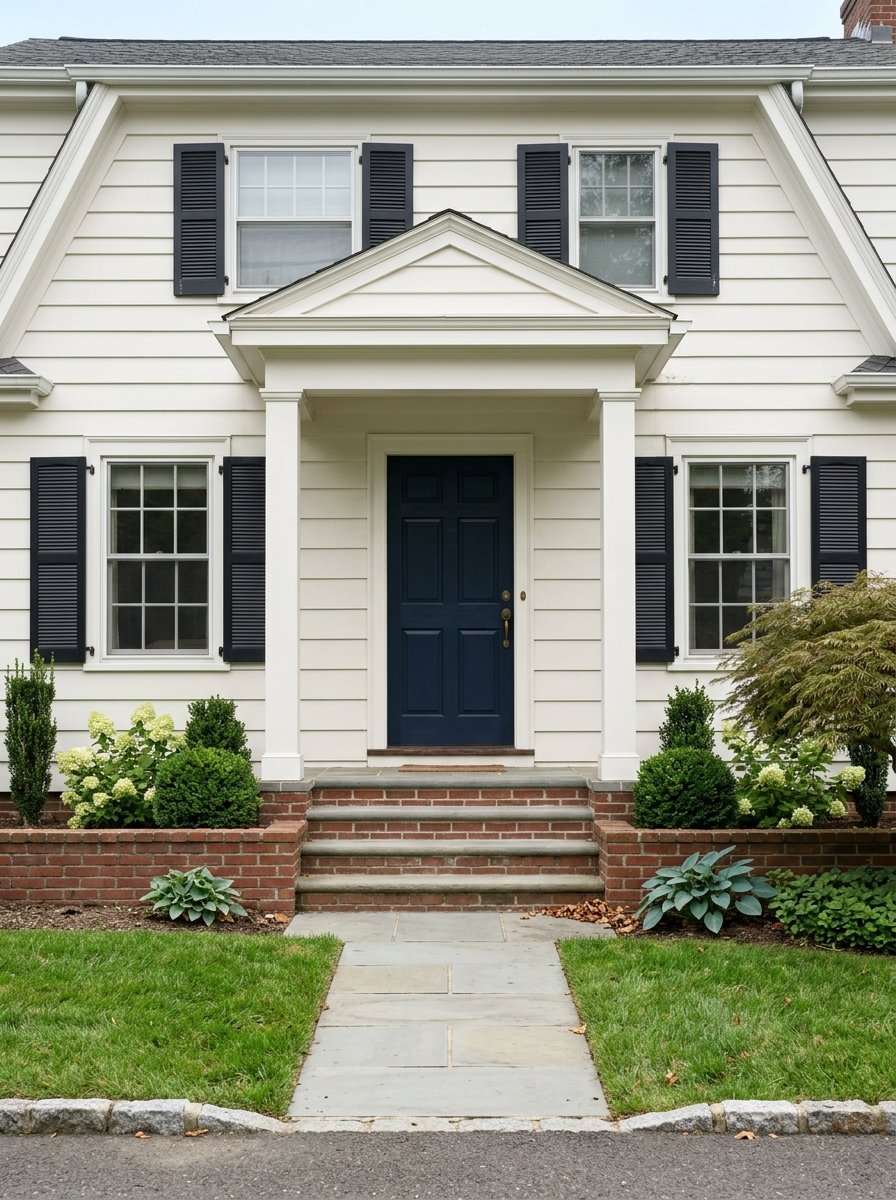
In Eastchester, the updates most likely to help are usually the ones buyers notice right away. Think clean paint, a refreshed front entry, repaired roofing issues, and cosmetic touch-ups that make the home feel cared for.
These improvements can help reduce buyer hesitation without pushing you into a major renovation. They also support a stronger first showing experience, which matters in a market where homes can move in a few weeks.
Refresh instead of remodel
A full remodel is not always the best answer. NAR’s cost-recovery data suggests that minor kitchen upgrades and practical improvements often make more financial sense than highly personalized overhauls.
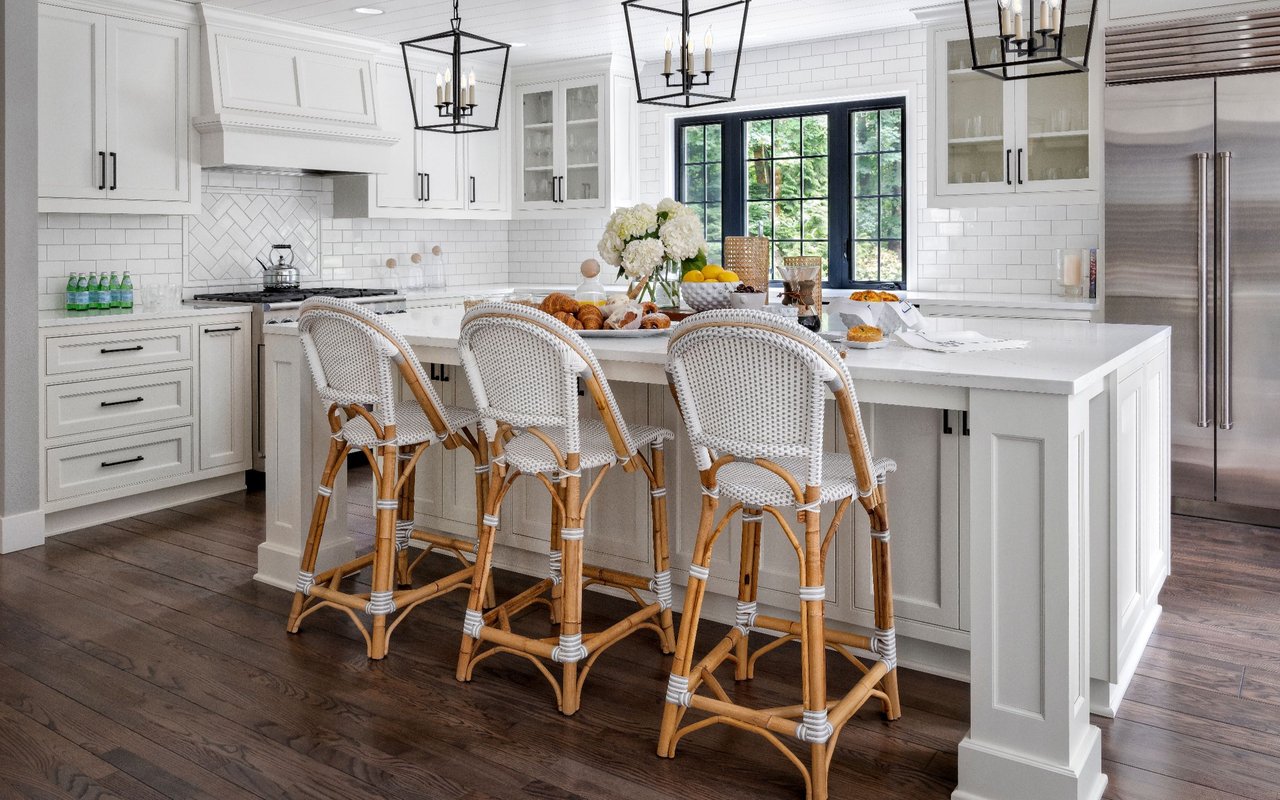
If your kitchen or bath looks dated but functions well, a lighter refresh may be the better move. Fresh paint, updated lighting, hardware changes, or flooring touch-ups can improve presentation without creating a large budget risk.
When selling as-is may be the smarter choice
Sometimes the better decision is not to update at all. If your repair list is long, the timeline is tight, or the work is too uncertain to confidently recover in the sale price, selling as-is may be the more strategic path.
This can be especially true when the home has broader issues such as mechanical concerns, water intrusion, structural questions, or permit-related uncertainty. In those cases, trying to patch everything before listing can turn into a costly and stressful process. Pricing the home to reflect its condition may give you a cleaner, more predictable sale.
As-is still requires disclosure in New York
In New York, selling as-is does not mean skipping disclosure obligations. Under Real Property Law § 462, covered sellers must complete and deliver the Property Condition Disclosure Statement to the buyer or buyer’s agent before the buyer signs a binding contract of sale.
The law allows a property to be sold as-is, but the disclosure is still required for covered transactions. The Department of State form explains that the disclosure is based on the seller’s actual knowledge, is not a warranty, and is not a substitute for inspections or tests. If you later learn information that makes the disclosure materially inaccurate, a revised disclosure must be delivered as soon as practicable.
Know when as-is fits best
Selling as-is can make sense if:
- The repair budget is large
- The scope of work is uncertain
- Your timeline does not allow for projects
- The home already shows reasonably well
- A likely buyer may want to personalize the property anyway
The key is that the pricing should reflect the remaining work. In Eastchester, buyers may still move quickly on an as-is property, but they will usually expect the numbers to make sense.
A practical Eastchester decision framework
If you are unsure which direction to take, start with a simple filter. Ask whether each issue is likely to affect safety, financing, inspections, or immediate buyer confidence.
Fix it first
Consider fixing the issue before listing if it is:
- Safety-related
- Water-related
- Roof-related
- Mechanical in nature
- Likely to create inspection concerns
- Likely to affect appraisal or financing
These are the kinds of issues that can interrupt a deal or weaken your negotiating position. Even in a busy market, buyers and lenders tend to react strongly to problems in these categories.
Refresh it lightly
Choose a lighter refresh if the issue is mostly cosmetic, such as:
- Interior paint
- Dated light fixtures
- Flooring touch-ups
- Front-entry appearance
- Minor kitchen updates
- Minor bath updates
This middle path is often the strongest one. It helps your home present well while keeping you from over-investing in work that may not fully pay you back.
Sell as-is
Lean toward as-is if:
- The home needs broad repairs
- You have a tight timeline
- The total project cost is hard to control
- You do not want to manage contractors before moving
- Comparable pricing supports a condition-adjusted strategy
For many sellers, this choice is less about giving up value and more about protecting net proceeds, time, and peace of mind.
Why over-improving can backfire
In Eastchester, where buyers can compare listings carefully, updating the wrong things can be just as costly as doing nothing. A large remodel may not return its full cost, especially if the style is highly specific or the work does not address the issues buyers care about most.
The research points to a clear pattern: visible, practical, buyer-facing updates tend to recover better than large custom projects. That is why many sellers benefit more from solving obvious problems and improving presentation than from undertaking a full redesign.
If I were advising you one-on-one, I would likely suggest looking for the point where the home feels well-maintained and market-ready, then stopping there. That approach often protects both your budget and your negotiating position.
How to make the right call before listing
Before you commit to updates or choose an as-is strategy, gather a few key inputs. The goal is to make a decision based on likely return, not emotion or guesswork.
Start with these steps:
- Get contractor estimates for the items you are considering.
- Compare those costs with nearby sold comps and current competition.
- Separate essential repairs from cosmetic wants.
- Review pricing strategy in light of the home’s current condition.
- Confirm disclosure requirements with your agent or attorney.
This process is where careful guidance matters. A seller-focused plan should take into account not just what your home needs, but what Eastchester buyers are most likely to reward in the current market.
The best answer is often the middle path
For many Eastchester sellers, the smartest choice is neither a full renovation nor a strict as-is sale. It is a selective plan: fix what could raise red flags, refresh what buyers see first, and avoid spending beyond what the market is likely to return.
That kind of decision-making is part financial, part practical, and part emotional. You want to protect your equity, reduce avoidable risk, and move forward with confidence. If you want a candid, detail-oriented plan for your specific home in Eastchester, Susan Hawkins, Esq. can help you weigh the tradeoffs and decide what is truly worth doing before you list.
FAQs
Should you update a home before selling in Eastchester?
- In many Eastchester sales, modest visible updates like paint, entry improvements, and key repairs make more sense than a major remodel, especially because buyers are less willing to compromise on condition.
What does selling as-is mean for a home in New York?
- In New York, selling as-is is a pricing and negotiation stance, but covered sellers still must provide the Property Condition Disclosure Statement before the buyer signs a binding contract of sale.
Which pre-listing repairs matter most for Eastchester sellers?
- Safety, roof, water, and mechanical issues usually deserve the most attention first because they are more likely to affect inspections, financing, and buyer confidence.
Is a full remodel worth it before listing an Eastchester home?
- Not always. Research cited here suggests that smaller, visible, practical improvements often recover value better than large custom renovations.
How fast are homes selling in Eastchester right now?
- Current market data cited in this article shows median days on market ranging from about 21 to 28 days, which suggests buyers are active but still paying attention to condition and presentation.