If you are selling a character home in Bronxville, you are not just selling square footage. You are selling craftsmanship, history, and the way a home fits into one of Westchester’s most architecturally distinctive villages. That can be exciting, but it also means buyers will look closely at condition, documentation, and how well the home’s original features have been cared for. In this guide, you will learn how to prepare, position, and document a Bronxville character home so you can protect value and reduce surprises. Let’s dive in.
Why character matters in Bronxville
Bronxville describes itself as a one-square-mile English-style village about 15 miles north of midtown Manhattan, with housing that includes Tudor, Colonial, and Victorian homes, along with townhouses and apartments. In a market like this, architecture is part of the appeal. Buyers are often drawn to homes that feel specific to the village, not generic.
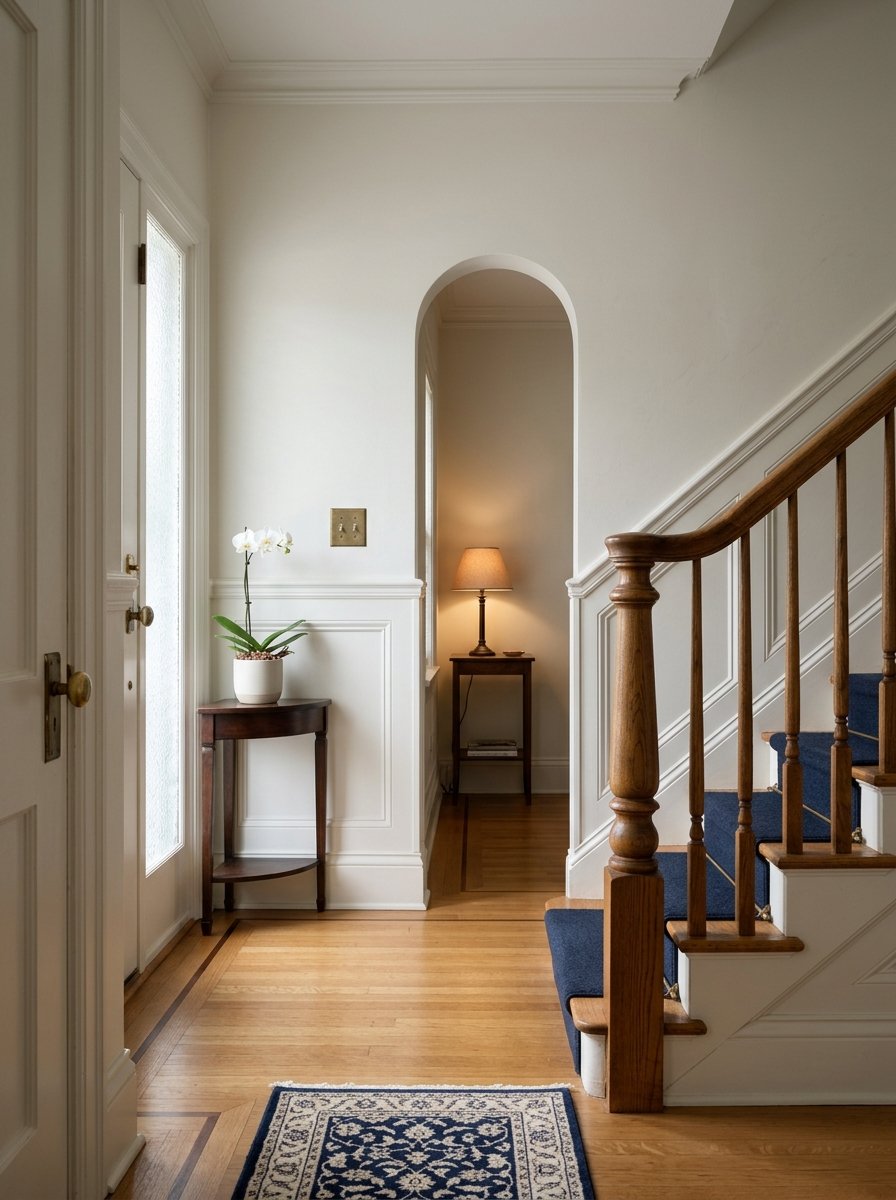
That context matters when you sell. Original trim, built-ins, fireplaces, stair details, and wood windows may not be extras. In many cases, they are part of the home’s value story and should be presented that way.
Bronxville also has a visible preservation culture, including the Bronxville Historical Conservancy and the Bronxville History Center. Lawrence Park is listed by the village as a National Historic District on the National Register of Historic Places. That does not mean every old home is treated the same way, but it does mean presentation and documentation matter more here than they might in a less historically minded market.
Start with preservation, not replacement
One of the biggest mistakes sellers make with older homes is stripping out the features that make them memorable. If I were advising you before listing, I would usually start by asking what should stay visible, not what should disappear.
Historic-home guidance from Historic New England supports retaining and repairing original materials when possible. That includes historic wood windows and other wood features that help define a building’s character. For a Bronxville seller, that often means highlighting period details instead of apologizing for them.
This does not mean you should ignore function. It means your updates should be thoughtful. Buyers generally respond well when a character home feels well cared for, with original elements preserved and practical improvements made where they count.
Features worth showcasing
When relevant to your home, these are often worth preserving and presenting clearly:
- Original trim and millwork
- Built-in cabinetry or shelving
- Wood staircases and railings
- Fireplaces and mantels
- Historic wood windows
- Period doors and hardware
- Architectural details tied to Tudor, Colonial, or Victorian design
A home with these details can feel more valuable when buyers understand that they are part of the property’s identity, not leftover items waiting to be removed.
Build your house-history file early
For a Bronxville character home, documentation is one of your strongest tools. Before your listing goes live, it helps to assemble a clear house-history file that shows what was done, when it was done, and whether the paperwork is complete.
A useful file can include permits, certificates of occupancy, plans, warranties, contractor receipts, and prior inspection reports. This is especially important in Bronxville because the village requires permits for work such as roof or siding replacement, kitchen and bathroom renovations, plumbing, and electrical work. The village also states that a certificate of occupancy is required to close all building permits.
If you are missing records, Bronxville’s Building Department allows property file searches by appointment. That can be a valuable step if your home has changed hands several times or if older work was completed long before you owned the property.
What to gather before listing
Try to pull together:
- Building permits
- Certificates of occupancy
- Receipts and invoices for completed work
- Contractor and vendor information
- Product warranties
- Inspection reports
- Any plans for additions or exterior changes
- Any records related to lead testing or remediation
This kind of preparation helps buyers feel more confident. It also helps your attorney and broker answer questions quickly and consistently.
Verify exterior work and additions
With older homes, visible changes often draw extra attention. Dormers, porches, additions, and other exterior alterations can improve usability, but they also create a paper trail issue if prior approvals are unclear.
Bronxville’s code says site plan approval is required for land that is externally altered or enlarged. By contrast, interior alterations only, with no change in use, do not require site plan approval. For that reason, if your home had significant exterior work at some point, it is smart to verify whether site plan approval was required and whether those records are available.
This is particularly important in a village where architecture is part of the market appeal. Buyers may ask not only whether work was done well, but also whether it was properly approved.
Focus your repair budget where it matters most
If you are wondering where to spend before listing, start with water. For older homes, water management is often the issue most likely to affect both value and inspection results.
The U.S. Department of Energy notes that the roof is the home’s primary defense against water intrusion. Its guidance on gutters and downspouts also says runoff should be directed at least 5 feet away from the foundation. In practical terms, that makes roof leaks, flashing, gutters, downspouts, grading, and basement seepage top priorities.
You do not need to over-improve every corner of the home. But you should address the issues most likely to signal deferred maintenance or create buyer concern.
Best pre-listing repair priorities
In most cases, start here:
- Roof leaks or visible roof concerns
- Flashing problems around chimneys or roof lines
- Gutters and downspouts that do not move water away properly
- Grading issues near the foundation
- Basement moisture or seepage
- Rot or water-damaged wood
- Plumbing, heating, or hot water issues that affect daily use
A measured approach usually works best. Targeted repairs, leak control, and strong presentation often do more for your sale than expensive replacement projects that remove original material.
Expect practical buyer questions
Buyers who love old homes still ask careful questions. In fact, they often ask more questions because they understand that charm and maintenance go together.
New York’s Property Condition Disclosure Statement covers topics such as rot or water damage, fire or smoke damage, pests, roof age and condition, foundation issues, plumbing, heating, air conditioning, hot water, and detector systems. Those categories offer a useful preview of what buyers are likely to focus on during the sale process.
Your goal is not to make an older home feel brand new. Your goal is to explain clearly what works, what has been repaired, and what remains original.
Questions buyers often ask about character homes
You should be ready for questions like these:
- How old is the roof, and has it had any leaks?
- Have there been any basement water issues?
- Which windows are original, and have they been repaired or weatherstripped?
- Have plumbing or electrical systems been updated?
- Were additions or exterior changes properly permitted?
- Are there any known pest, rot, or foundation concerns?
- What work has been done recently, and by whom?
When your answers are organized and supported by records, negotiations tend to feel steadier.
Handle disclosures carefully in New York
In New York, the Property Condition Disclosure Statement must be delivered by the seller of most residential one- to four-family homes before the buyer signs a binding contract. The form is based on your actual knowledge, and it is not a warranty. But a knowingly false or incomplete statement can lead to claims.
If the form is not delivered on time, the buyer receives a $500 credit at closing. If you later learn something that makes the statement materially inaccurate, a revised form must be delivered as soon as practicable. The form does not apply to condominium units or cooperative apartments.
For sellers of older Bronxville homes, the practical lesson is simple. Do not treat disclosure as a last-minute formality. Reconcile it with your house-history file before the property hits the market.
A smart disclosure workflow
Before listing, review:
- Known defects or recurring issues
- All work that required permits
- Whether permits were closed out properly
- Receipts, warranties, and contractor invoices
- Any inspection reports already in your possession
This kind of diligence helps reduce contradictions between what is disclosed, what appears in municipal records, and what a buyer may learn during inspection.
Do not overlook lead-based paint rules
If your Bronxville home was built before 1978, lead disclosure rules may apply. According to the EPA, sellers of most pre-1978 housing must disclose known lead-based paint hazards, provide available records and reports, give the buyer the lead pamphlet, include a lead warning statement, and offer a 10-day opportunity for a lead inspection or risk assessment.
This is especially relevant for much older homes. The EPA notes that 87% of homes built before 1940 have some lead-based paint. Buyers of character homes often ask about painted windows, trim, and other original surfaces for that reason.
If you have prior lead testing, remediation records, or related reports, gather them early. Organized information helps buyers evaluate the home with fewer assumptions.
Position the home with honesty and context
A strong sale story for a character home usually combines three things: preservation, documentation, and selective repairs. You want buyers to feel the appeal of the home while also seeing that it has been cared for in a responsible way.
That means your marketing and showing strategy should frame original details as assets, not obstacles. It should also make practical information easy to understand. Buyers are far more comfortable paying for charm when they believe the seller has been careful, transparent, and realistic.
In Bronxville, that balance matters. The village’s architecture and history can absolutely enhance value, but only when the home’s condition story supports the emotional appeal.
If you are thinking about selling a Tudor, Colonial, Victorian, or another character-rich home in Bronxville, a calm, detail-driven plan can make a meaningful difference. If you want guidance on how to prepare the property, prioritize repairs, and navigate the paperwork with care, Susan Hawkins, Esq. can help you move forward with clarity.
FAQs
What makes a character home in Bronxville different from a typical listing?
- In Bronxville, architecture and history are often part of the home’s appeal, so original details, documentation, and thoughtful preparation can play a larger role in buyer interest and negotiations.
What documents should you gather before selling a Bronxville character home?
- You should gather permits, certificates of occupancy, plans, contractor invoices, warranties, inspection reports, and any available records for prior exterior alterations, additions, or lead-related work.
What repairs matter most before listing an older home in Bronxville?
- The highest-priority repairs are usually water-related issues such as roof leaks, flashing problems, gutter and downspout issues, grading concerns, basement seepage, and rot caused by moisture.
What disclosure form is required when selling a house in New York?
- Sellers of most residential one- to four-family homes in New York must deliver the Property Condition Disclosure Statement before the buyer signs a binding contract, based on the seller’s actual knowledge.
What should you know about lead paint when selling an older Bronxville home?
- If the home was built before 1978, you may need to provide lead-related disclosures, available reports, a lead warning statement, and an opportunity for the buyer to conduct a lead inspection or risk assessment.
Why do Bronxville buyers ask about permits and exterior changes?
- Buyers often want to confirm that visible changes such as additions, porches, or dormers were properly documented, especially in a village where architectural character and exterior presentation carry real weight.