Wondering whether Tuckahoe is the right place to buy your first home in Westchester? That is a smart question, because in lower Westchester, a few blocks can change your commute, your housing options, and your monthly costs. If you are weighing Tuckahoe against nearby options, this guide will help you understand what first-time buyers are most likely to find here, what tradeoffs matter most, and how to decide with confidence. Let’s dive in.
Why Tuckahoe Stands Out
Tuckahoe is a small village with a very practical advantage for first-time buyers: it offers a compact setting with train access, a walkable village core, and a mix of housing types. The village says it is less than one square mile, centrally located between Manhattan and White Plains, with two train stations at either end and a Main Street area designed to make local businesses and restaurants easy to reach.
That smaller footprint can be a real plus if you want convenience built into daily life. Instead of planning around long drives for every errand, you may find that station access, Main Street, and local services feel closer at hand. For many first-time buyers, that ease of movement matters just as much as square footage.
Tuckahoe also sits in an interesting middle ground within the local housing map. Recent Census QuickFacts put the median owner-occupied home value at $625,600 in Tuckahoe, compared with $794,700 in Eastchester and $1,137,700 in Bronxville. That does not make Tuckahoe the right fit for everyone, but it does help explain why many first-time buyers include it in their search.
What First-Time Buyers Usually Find
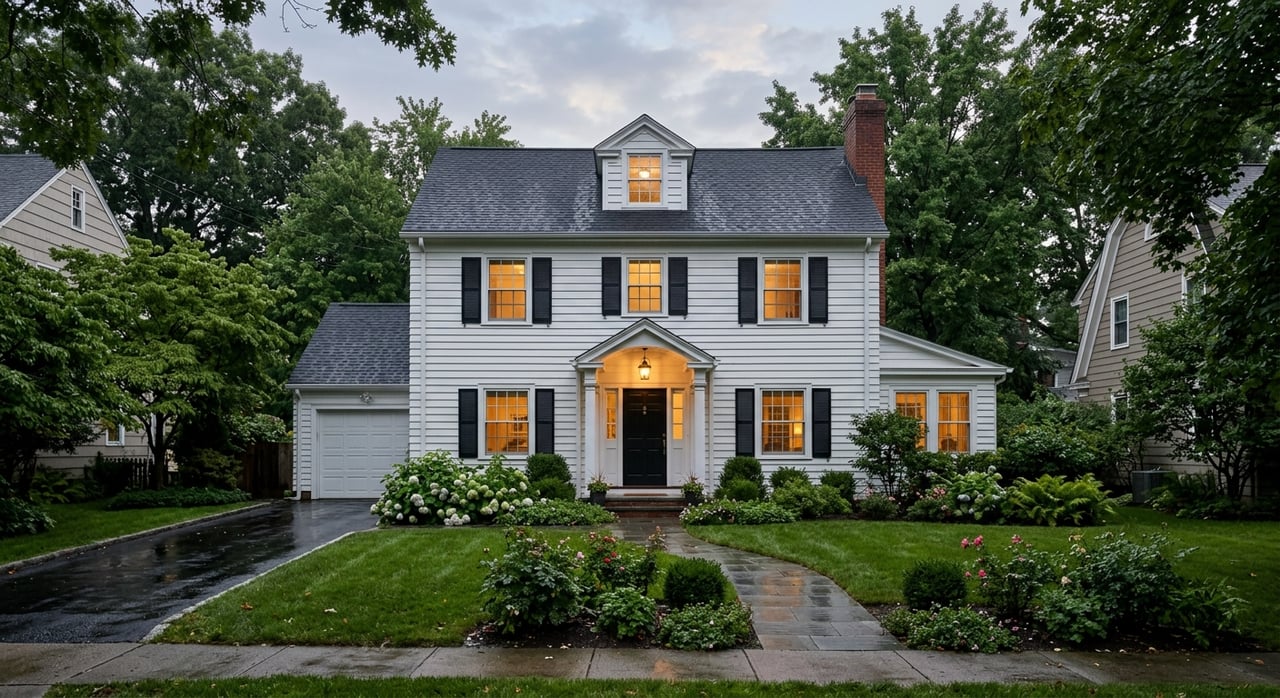
If you picture rows of newer detached homes on large lots, Tuckahoe may not match that image. The village comprehensive plan says there is very little vacant or undeveloped land, and that single-family homes make up the largest share of developed residential land, while two-family and multifamily housing are concentrated near the village core, Columbus Avenue, and Main Street.
In practical terms, many first-time buyers here are choosing among a co-op, condo, older small-lot single-family home, or another lower-maintenance apartment-style property. The village’s planning materials also point to more diverse housing options around the Marbledale Road corridor and near the two train stations.
That matters because your search in Tuckahoe is often less about finding one "typical" home type and more about deciding what kind of ownership experience you want. A co-op, condo, and single-family home can each suit a first-time buyer well, but they ask different things from your budget, schedule, and comfort level.
Compare Tuckahoe With Nearby Choices
Tuckahoe is often considered alongside Bronxville and Eastchester, and that comparison can be useful if you keep it factual. Bronxville is also a compact southern Westchester village, but its official information points to a more heavily owner-occupied market and a higher median home value. Eastchester is broader and includes both village and non-village areas, which can change what you should expect in terms of housing stock, commute style, and pricing.
One important detail is that people often use “Eastchester” loosely. The town budget distinguishes among Bronxville Village, Tuckahoe Village, and the town outside the villages. If you are comparing listings across these areas, make sure you understand exactly where the home is located, because that can affect the kind of property you are buying and how your day-to-day life may feel.
Co-op, Condo, or Single-Family?
For many first-time buyers in Tuckahoe, this is the real question. The purchase price matters, of course, but the ownership structure can shape your monthly expenses, decision-making freedom, and future maintenance responsibilities.
What a co-op means
According to the New York State Attorney General, when you buy a co-op, you are buying shares in a corporation and receiving a proprietary lease for the apartment. You do not own the unit in the same way you would own a condo. Co-op owners also pay maintenance charges based on the shares allocated to their unit.
That setup can work well for buyers who want a more apartment-style ownership experience and are comfortable with building governance. But you should be ready for a board process and for the reality that monthly carrying costs are part of the full affordability picture.
What a condo means
In a condo, you own the unit itself along with an undivided interest in the common elements. That structure can appeal to buyers who want ownership that feels more direct than a co-op while still avoiding some of the maintenance demands of a detached house.
The CFPB notes that condo, co-op, and HOA fees are usually paid directly to the association and are generally not included in your mortgage servicer payment. That is why I always encourage buyers to look beyond the mortgage alone and map out the full monthly number.
What a single-family home means
An older single-family home can offer more autonomy and privacy, but it often comes with more direct responsibility. In a village with older housing stock, that may include future costs tied to systems, rooflines, windows, or exterior upkeep.
If you like the idea of deciding on improvements without a board or association, a single-family home may feel worth that tradeoff. But you should go in with a realistic view of both maintenance and reserves.
Look Beyond the Sticker Price
One of the biggest first-time buyer mistakes is treating list price as the whole story. In Tuckahoe, especially where older buildings and older homes are part of the mix, your future costs can matter just as much.
The New York Attorney General recommends reading the full offering plan and consulting an attorney before signing a purchase agreement for a co-op or condo. The office also specifically points buyers to board minutes and financial reports for insight into defects, repairs, reserves, and building-wide issues.
Those records can reveal whether a lower purchase price may be offset by larger future expenses. They can also help you understand whether the building has upcoming needs related to the façade, roof, flooring, elevators, HVAC, windows, electrical wiring, or plumbing.
If you are considering an older single-family home, this same mindset still applies. You want to know not just what the house looks like today, but what it may ask of you over the next few years.
Commute and Daily Routine Matter
Tuckahoe’s location is one of its strongest practical selling points. The village says commuters use both Tuckahoe Station and Crestwood Station, and it notes that annual commuter parking permits and long-term meters are available near Tuckahoe Station.
The MTA says Tuckahoe Station is accessible and includes an elevator, ramp, tactile warning strips, audiovisual information systems, and ticket machines. The Harlem Line timetable serves Bronxville, Tuckahoe, and Crestwood, but trip times and fares can vary by peak and off-peak periods, so buyers should confirm current details in TrainTime rather than relying on assumptions.
That flexibility can be helpful if you commute regularly, split time between office and home, or simply want options. Tuckahoe’s municipal profile shows 29.1% public transportation use, 50.7% driving alone, and 14.9% working from home. Those numbers suggest a market where both transit access and car-based routines matter.
Ask These Questions First
If you are trying to decide whether Tuckahoe is the right spot for your first Westchester home, I would focus less on whether it is universally "better" and more on whether it matches your priorities.
Here are the questions I would want you to answer early:
- How often will you commute, and from which station would you prefer to leave?
- Do you need commuter parking, or do you want to be able to walk to the train?
- Are you comfortable with a co-op board review process?
- What monthly number feels comfortable once fees, maintenance, and carrying costs are included?
- Do you want lower-maintenance living, or do you want the control that comes with a single-family home?
- How much repair or renovation work are you realistically prepared to take on?
When buyers get clear on those tradeoffs, the right answer usually becomes much easier to see.
A Smart First-Time Buying Process
Even if you are still narrowing your target area, it helps to start the process in the right order. The CFPB says a preapproval letter is a lender’s tentative commitment and is often requested before a seller accepts an offer. It can also expire after 30 to 60 days, so timing matters.
Once an offer is accepted, schedule an independent inspection as soon as possible. That gives you time to evaluate the property condition and decide whether you want to negotiate, move forward, or reconsider.
At the closing stage, the CFPB says you must receive the Closing Disclosure at least three business days before closing. That final review period is important because it gives you a chance to confirm your numbers and avoid surprises before signing.
Is Tuckahoe Right for You?
Tuckahoe can be an excellent first stop, or final stop, for buyers who want a smaller village setting, access to Metro-North, and a housing mix that includes co-ops, condos, and older single-family homes. It may be especially worth a close look if you value convenience, want options at different ownership levels, and understand that in this market, monthly carrying costs can be just as important as purchase price.
The right fit comes down to your budget, your commute, and the kind of ownership experience you want. If you approach Tuckahoe with a clear checklist and careful due diligence, you can make a smart decision that fits both your present needs and your long-term plans.
If you want help weighing Tuckahoe against nearby options or evaluating the real costs behind a specific property, Susan Hawkins, Esq. can guide you through the process with clear, detail-focused advice.
FAQs
Is Tuckahoe a good place to look for a first home in Westchester?
- Tuckahoe can be a strong option for first-time buyers who want train access, a walkable village setting, and a range of housing choices that may include co-ops, condos, and older single-family homes.
What types of homes do first-time buyers usually find in Tuckahoe?
- First-time buyers in Tuckahoe often find co-ops, condos, older small-lot single-family homes, and other apartment-style ownership options rather than large numbers of newer detached homes.
What is the difference between a co-op and a condo in Tuckahoe?
- In a co-op, you buy shares in a corporation and receive a proprietary lease, while in a condo, you own the unit itself plus an interest in the common elements.
What should first-time buyers review before buying a co-op or condo in Tuckahoe?
- First-time buyers should review the offering plan, board minutes, financial reports, and information about building condition, reserves, repairs, and major systems before moving forward.
How important is commute planning when buying in Tuckahoe?
- Commute planning is very important because Tuckahoe offers access to both Tuckahoe and Crestwood stations, and your station preference, parking needs, and schedule can affect which property feels like the best fit.
What should first-time buyers budget for beyond the purchase price in Tuckahoe?
- First-time buyers should budget for monthly maintenance or common charges, potential repair costs, inspection-related issues, and other carrying costs in addition to the mortgage payment.